
Steps to Ensure a Perfectly Painted Surface
Achieving a smooth paint finish on furniture involves more than just applying a fresh coat of paint. Proper preparation is crucial to ensure that the final outcome is both aesthetically pleasing and durable. In this guide, we’ll explore the essential steps you need to take before painting your furniture. Whether you’re looking to update an old piece or personalize new items, these tips will help you get professional results at home.
The Importance of Preparation
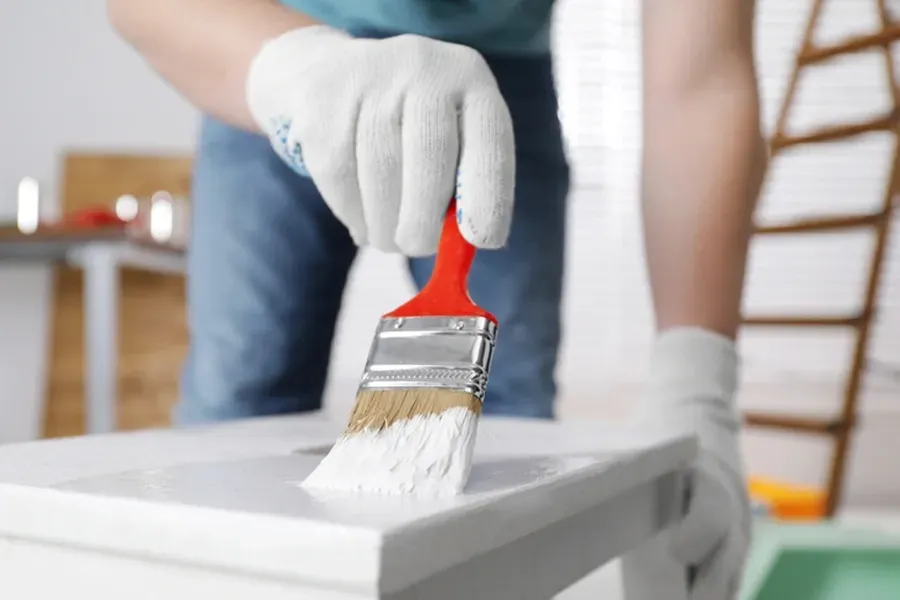
Preparing your furniture properly is vital to achieving a smooth paint finish. Skipping this step can lead to uneven paint coverage, bubbling, or peeling over time. Taking the time to prepare ensures that the paint adheres well and lasts longer. This investment upfront saves time and money in the long run by preventing frequent touch-ups or complete repainting.
Cleaning Your Furniture Thoroughly
Before beginning any painting project, it’s important to start with a clean surface. Dust, dirt, and grime can create barriers that prevent paint from sticking properly. Use a mild detergent mixed with water to wipe down your furniture. For stubborn stains or grease, consider using a degreaser. Make sure to rinse with clean water and allow the furniture to dry completely before moving on.
Sanding for Smoothness
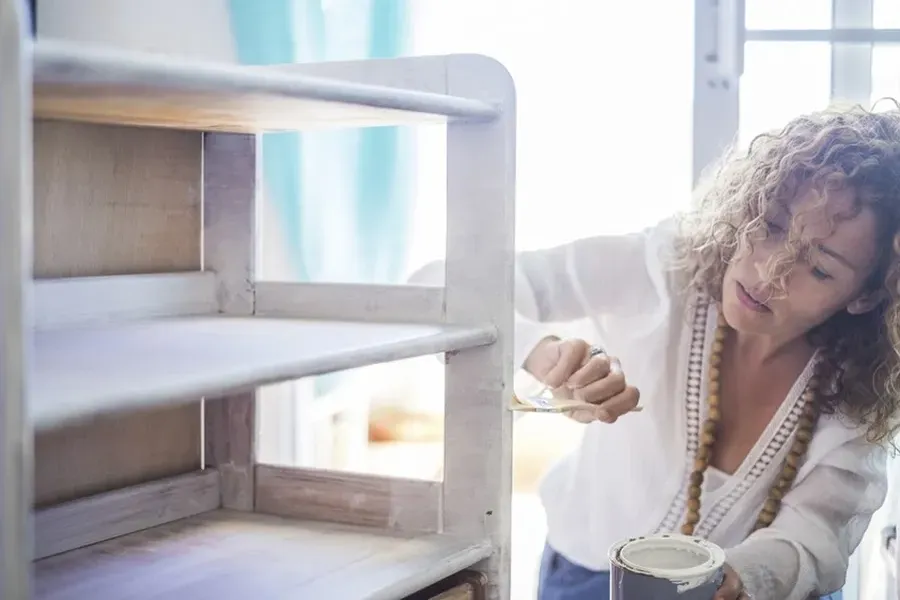
Sanding is a critical step in preparing furniture for painting. It helps to remove any existing finishes like varnish or gloss, which can impede paint adhesion. Additionally, sanding smooths out imperfections such as scratches or dents. Start with medium-grit sandpaper to remove finishes and then switch to fine-grit paper for a silky-smooth surface. Remember, the smoother the surface, the smoother your final paint finish will be.
Priming: the Foundation of Good Paintwork
After sanding, priming the furniture is essential. Primer acts as a binding layer between the surface and the paint, ensuring better adhesion and longevity. It also helps to cover up any residual imperfections and color differences in the wood. Choose a primer compatible with the type of paint you’ll be using-oil-based primers work well for oil paints, while latex primers are best suited for latex paints.
Selecting Appropriate Tools
Using the right tools can make a significant difference in your painting project. Opt for high-quality brushes or rollers that suit the type of paint you’ve chosen. Foam rollers are great for flat surfaces, while angled brushes can reach into corners and crevices. Also, keep a damp cloth handy to promptly clean up any spills or drips.
Furniture Painting Techniques for Best Results
Once preparation is complete, it’s time to focus on applying the paint itself. Furniture painting requires careful attention to detail. Apply thin coats of paint rather than one thick coat; this allows each layer to dry thoroughly and minimizes drips and bubbles. Let each coat dry completely before adding another, and lightly sand between coats if necessary to maintain a smooth texture.
- Apply thin layers of paint
- Allow adequate drying time between coats
- Use gentle sanding between layers for smoothness
Ensuring Long-Lasting Results
The final step in preparing your furniture for a smooth paint finish is sealing it with a clear topcoat. A topcoat protects against wear and tear, moisture damage, and UV rays that could fade colors over time. Choose a product that fits your desired finish-matte, satin, or glossy-and apply it according to manufacturer instructions.
Your Next Steps With Our Support
If you’re ready to transform your furniture, following these preparation steps will ensure beautiful results. At Ulloa Painting LLC, we specialize in guiding homeowners through DIY projects just like this one. To learn more about our services or products, feel free to reach out at (443) 912-2017. We proudly serve clients throughout Catonsville, MD and look forward to helping you with your next project.